
Engineering
MATERIALS FOR ENERGY & ELECTRONICS
Designing copper, graphene, and ceramic interfaces for safer batteries and cooler electronics.
Research Overview
We work across chemistry, printing, and device engineering — always asking how atomic-scale interfaces control macroscale performance.
Our work spans chemistry, data-driven modeling, and device engineering. We approach each problem from several of these directions at once, so fundamental understanding and working devices advance together.
Safer, sustainable batteries
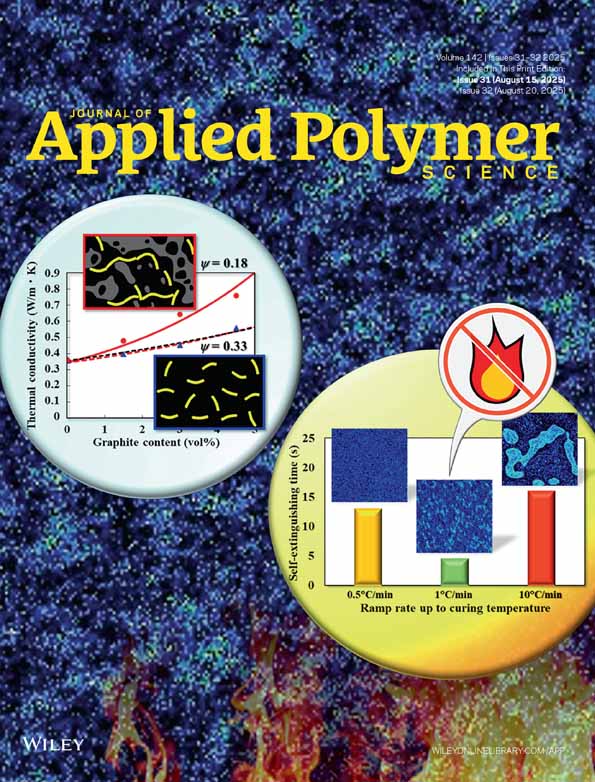
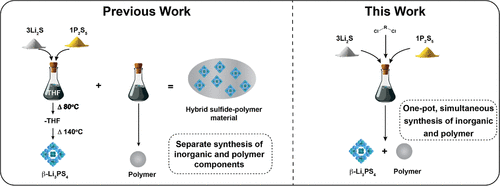
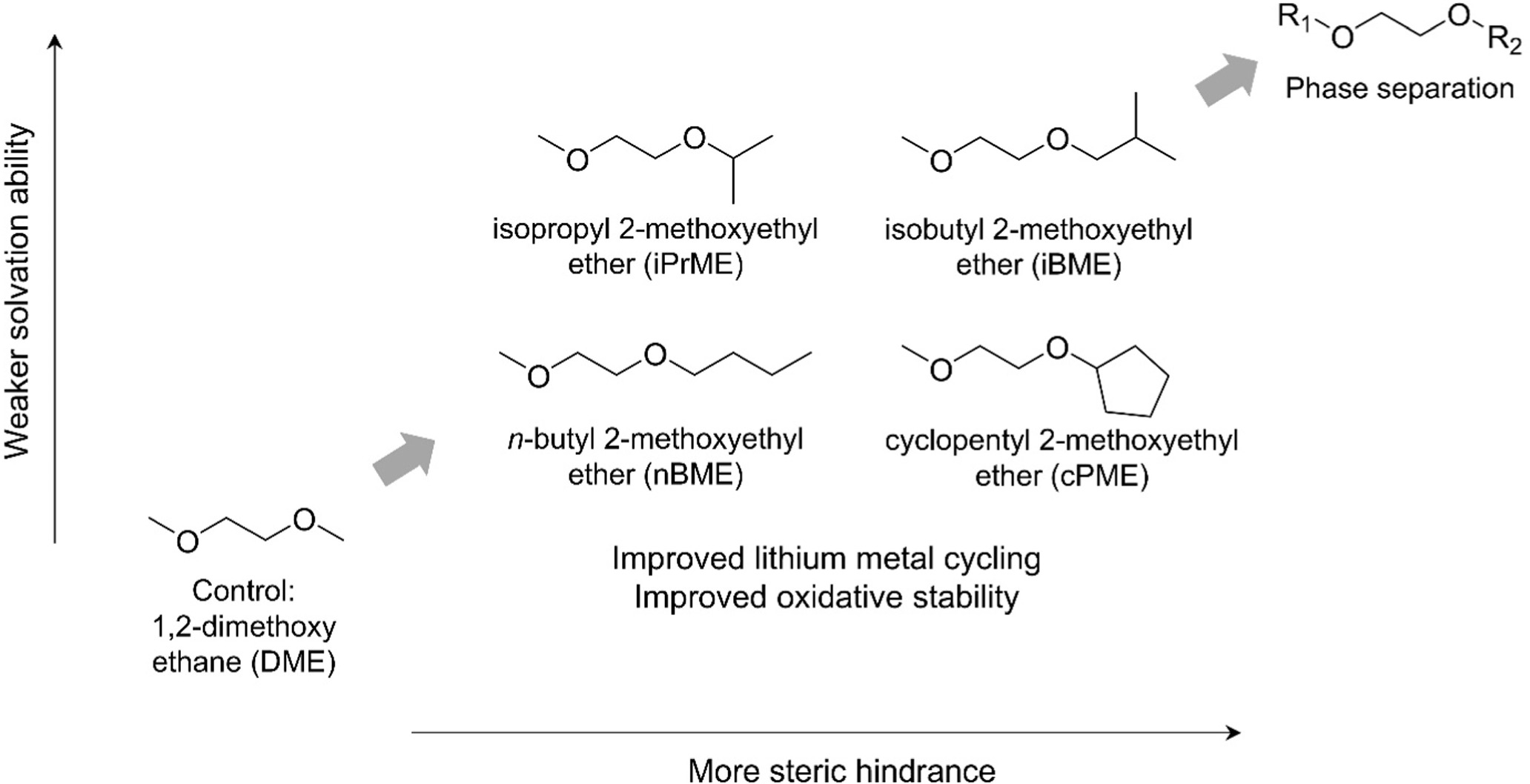
Non-flammable electrolytes and stable electrode interfaces, using high-entropy design to suppress dendrite growth and thermal runaway.
Green battery recycling
High-entropy solvent systems for selective, low-impact recovery of critical elements from spent batteries.
3D-printed energy architectures
EHD-printed electrode geometries that improve ion transport in flexible, miniaturized batteries.
Multifunctional EMI composites
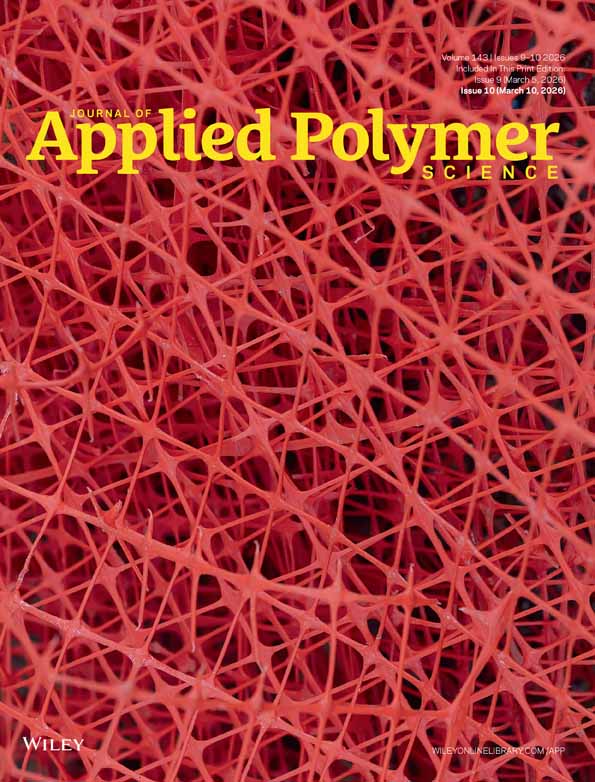
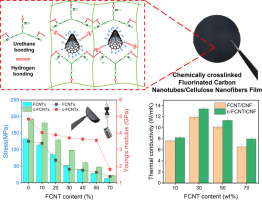
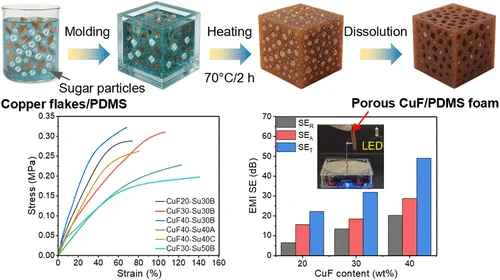
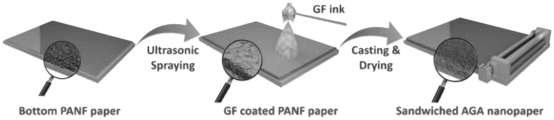
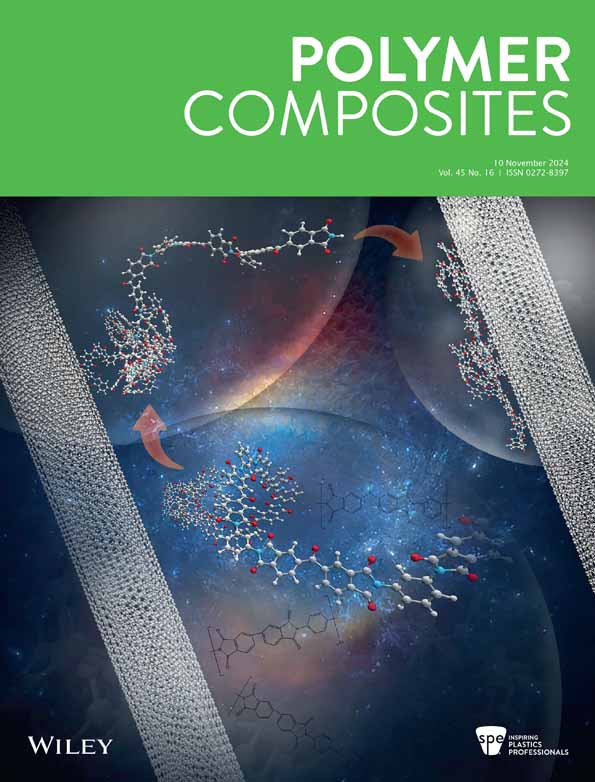
Copper, graphene, and MXene-filled polymers for shielding, heat dissipation, and flexibility at once.
Dr. Minh Canh Vu
Research Fellow, Griffith University
PhD from RMIT University (2021), with postdoctoral and fellowship positions at UNSW Sydney, RMIT, and ANSTO. Research spans nanomaterials, polymer composites, and electrochemical energy storage, recognized by a 2025 Lindau Nobel Laureate Meeting Fellowship.
Interested in joining CanhLab?
We welcome enquiries from prospective PhD students and collaborators working on nanomaterials, energy storage, or interfacial engineering.